Unlock Learning With Digital Escape Adventures
Today, we’re diving into browser-based classroom escape rooms—interactive, story-driven challenges students complete online to unlock digital doors and discover answers together. Expect practical design guidance, vivid classroom stories, and ready-to-apply strategies that turn engagement into measurable learning. Whether you teach science, history, languages, arts, or computer science, you’ll find adaptable ideas that fit mixed devices, short periods, and varied skills. Join the journey, share your questions, and subscribe to stay updated with fresh puzzles, free templates, and collaborative opportunities from educators experimenting, iterating, and celebrating learning wins.

Why These Puzzles Boost Learning

Digital escape adventures blend narrative, challenge, and teamwork to create a learning environment where curiosity leads. Students test ideas, communicate, and persist because progress feels meaningful and immediate. Built-in constraints sharpen focus, while reveal moments reward productive struggle. These experiences complement explicit instruction, reinforce key concepts, and invite reflection, giving teachers a flexible, energizing format suitable for diverse ages and course goals.

Designing Your First Experience

Start with what students should be able to do, then reverse-engineer challenges that demand those performances. Choose a focused concept set, outline an inviting narrative arc, and set humane time boundaries. Build a clear clue-to-lock sequence, embed scaffolds for varied readiness, and pilot with colleagues or student leaders before going live and collecting feedback.

Tools and Platforms That Just Work

Select tools that respect privacy, run reliably on mixed devices, and allow fast iteration. Google Forms branching, H5P interactions, Genially scenes, Deck.Toys maps, and LMS embeds can form a sturdy toolkit. Prioritize accessibility settings, export options, and analytics, so you can adapt quickly when bandwidth, schedule, or class size changes.

Accessibility, Inclusivity, and Fair Play
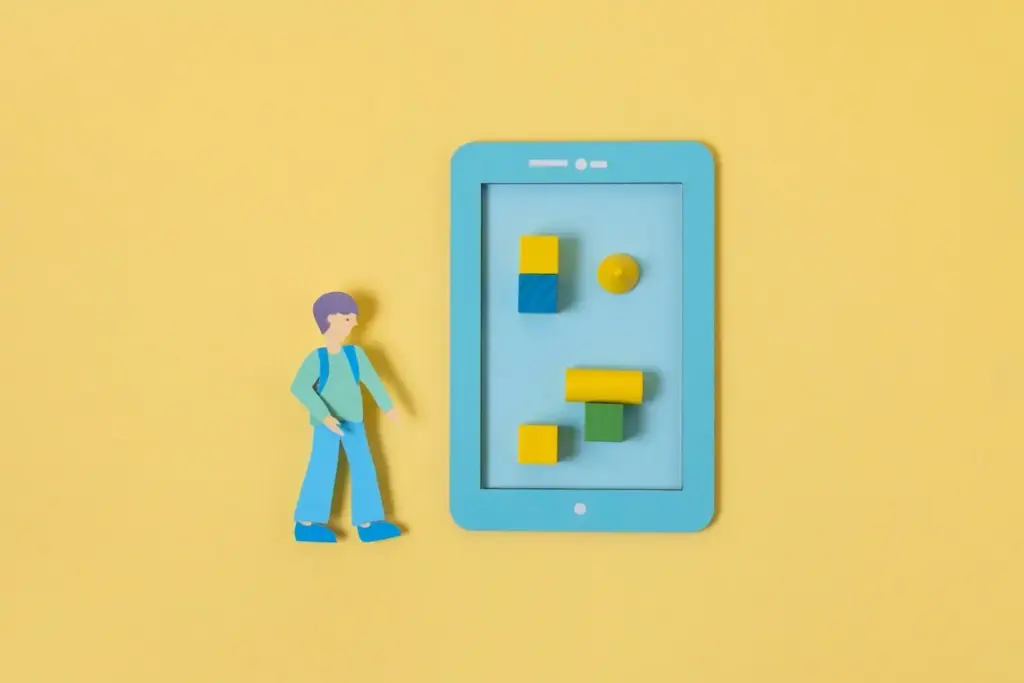
Design so every learner can participate meaningfully. Apply universal design principles: clear typography, high contrast, descriptive alt text, captions, transcripts, and keyboard-friendly navigation. Offer audio and visual alternatives, adjustable pace, and varied entry points. Normalize hints, build culturally responsive references, and avoid puzzles that rely on obscure background knowledge or narrow assumptions.

Assessment, Reflection, and Data

Capture insights without overshadowing joy. Log completion times, hint usage, and error patterns to inform next steps. Pair quick rubrics with student self-assessment and short debriefs. Translate evidence into reteaching plans, enrichment, and targeted praise, helping learners connect strategies from the puzzle room to upcoming labs, discussions, projects, or exams.

Evidence Without Over-Testing

Gather brief artifacts—annotated screenshots, explanation snippets, or voice notes—that reveal reasoning. Replace long quizzes with two or three rich questions keyed to learning goals. Celebrate productive missteps, then refine instruction where confusion clusters appear, balancing rigor and humanity so students feel seen while expectations remain appropriately high.

Lightweight Dashboards and Privacy

Use anonymized spreadsheets, simple charts, or platform analytics to visualize trends. Avoid collecting unnecessary personal data, and comply with local policies. Communicate clearly how information supports learning, then purge it responsibly. Transparency and restraint build trust, encouraging honest effort rather than performative clicks aimed at pleasing the software.

Reflective Debriefs That Stick

Close with short prompts: what surprised you, which hint shifted your thinking, where did your team excel or stall, and how might you transfer strategies next time. Invite quick shares, rotate speakers, and capture quotes. These rituals convert excitement into durable insight, sustaining curiosity beyond the final celebration.

A Science Mystery That Sparked Curiosity
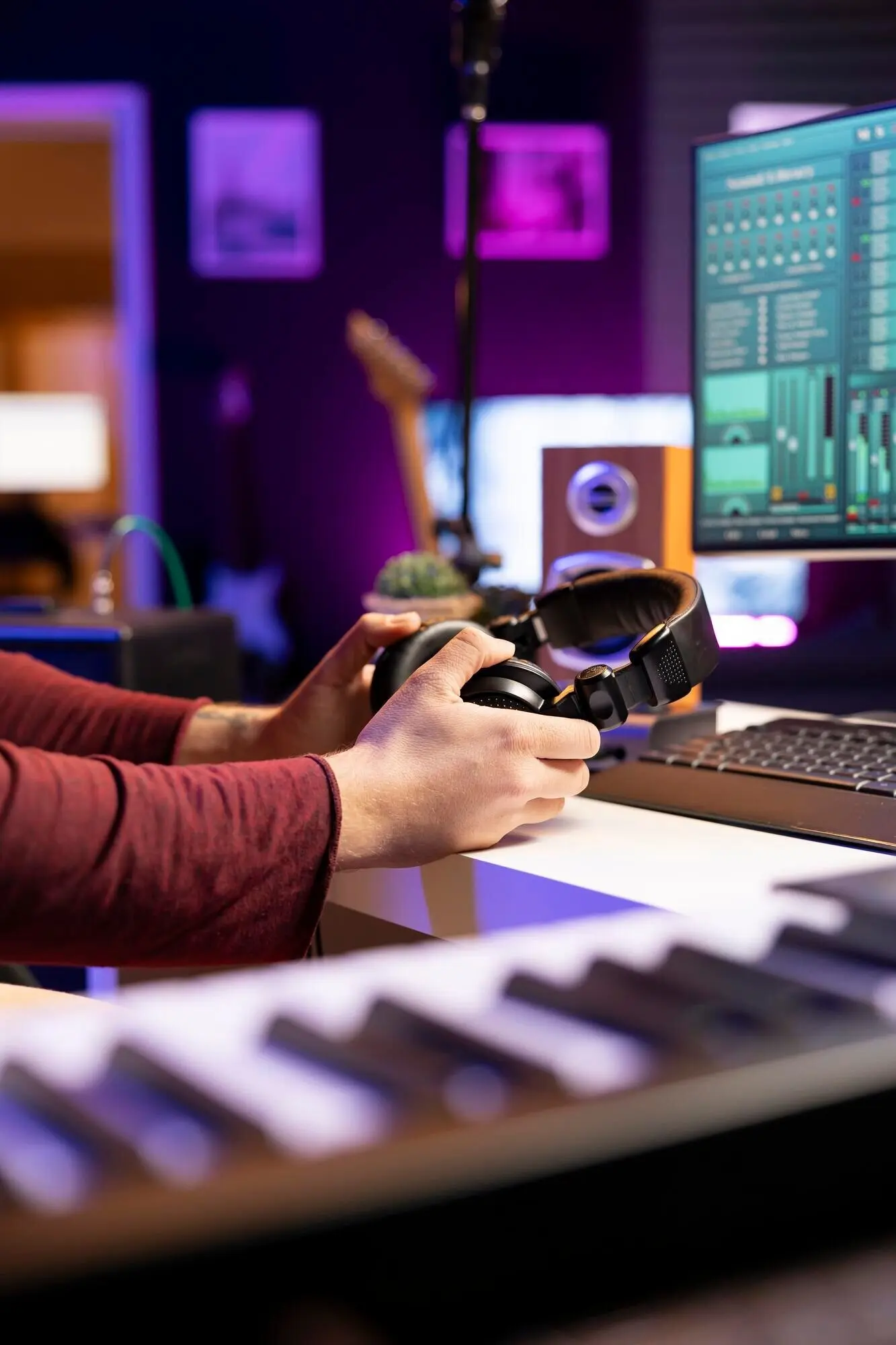
In eighth-grade earth science, students traced seismic readings across an interactive map to predict epicenter locations, unlocking each region with coordinate codes. Misleading foreshocks ignited debates, while visualization overlays clarified models. The fastest team later mentored peers, proving expertise grows when success is shared generously and intentionally.

A History Heist with Primary Sources

In a modern-world unit, teams examined propaganda posters, diary excerpts, and treaty clauses to expose an art thief’s trail across borders. Metadata hidden in captions formed a transposition cipher. The culprits were caught, but more importantly, students practiced sourcing, corroboration, and contextualization with exhilaration instead of drudgery.

Language Arts Cipher Challenge

Ninth graders decoded poetic devices embedded in blackout poems, then matched imagery to author tone to retrieve passphrases. Students who usually avoid the spotlight led pattern-finding, while fluent writers crafted concise rationales. The debrief surfaced transferable strategies for close reading, summarizing, and evidence selection across upcoming essays and discussions.
Kuxokimanoxaxo
Privacy Overview

This website uses cookies so that we can provide you with the best user experience possible. Cookie information is stored in your browser and performs functions such as recognising you when you return to our website and helping our team to understand which sections of the website you find most interesting and useful.